Hair Transplantation
Your Hair Transplant at
Goferie Hair Transplant
Hair transplantation is a proven solution for hair loss and thinning. Healthy follicles are carefully harvested from the donor area and transplanted into areas affected by hair loss for natural-looking hair restoration.
Our doctors use FUE for precise graft extraction and DHI for controlled implantation, providing a personalized hair transplant approach for natural, long-lasting results.
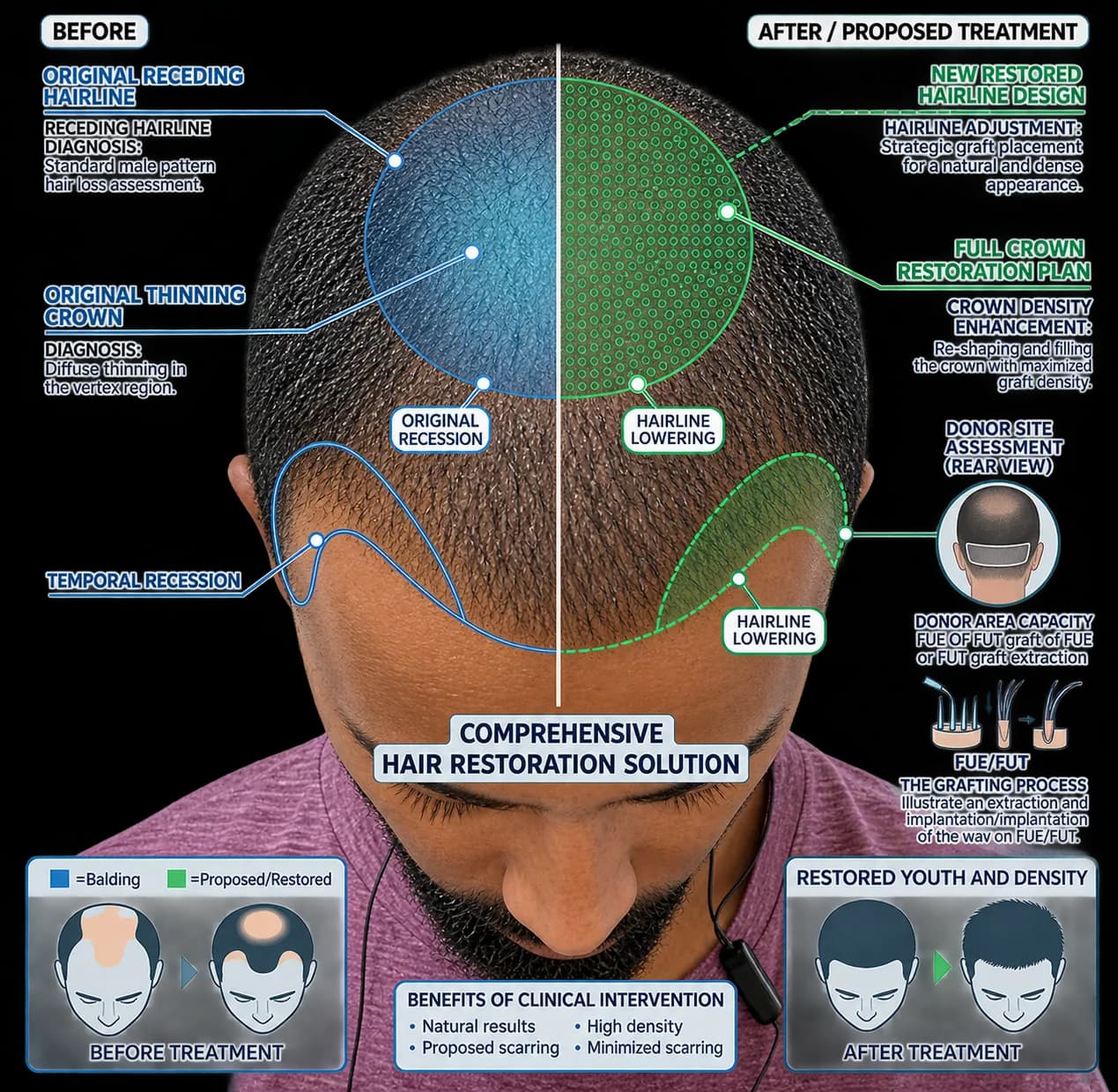
How do we conduct this treatment?
How does a hair transplant at Goferie work?
Developed by Goferie Hair Transplant, our pre-transplant care kit includes two specialized serums and a dermaroller designed to support scalp preparation and help optimize the condition of your hair grafts before treatment.
The serums are applied to the donor and recipient areas 7 days and 1 day before your hair transplant. They provide targeted scalp and hair-root care to help prepare the treatment areas for the procedure and support your overall hair restoration journey.
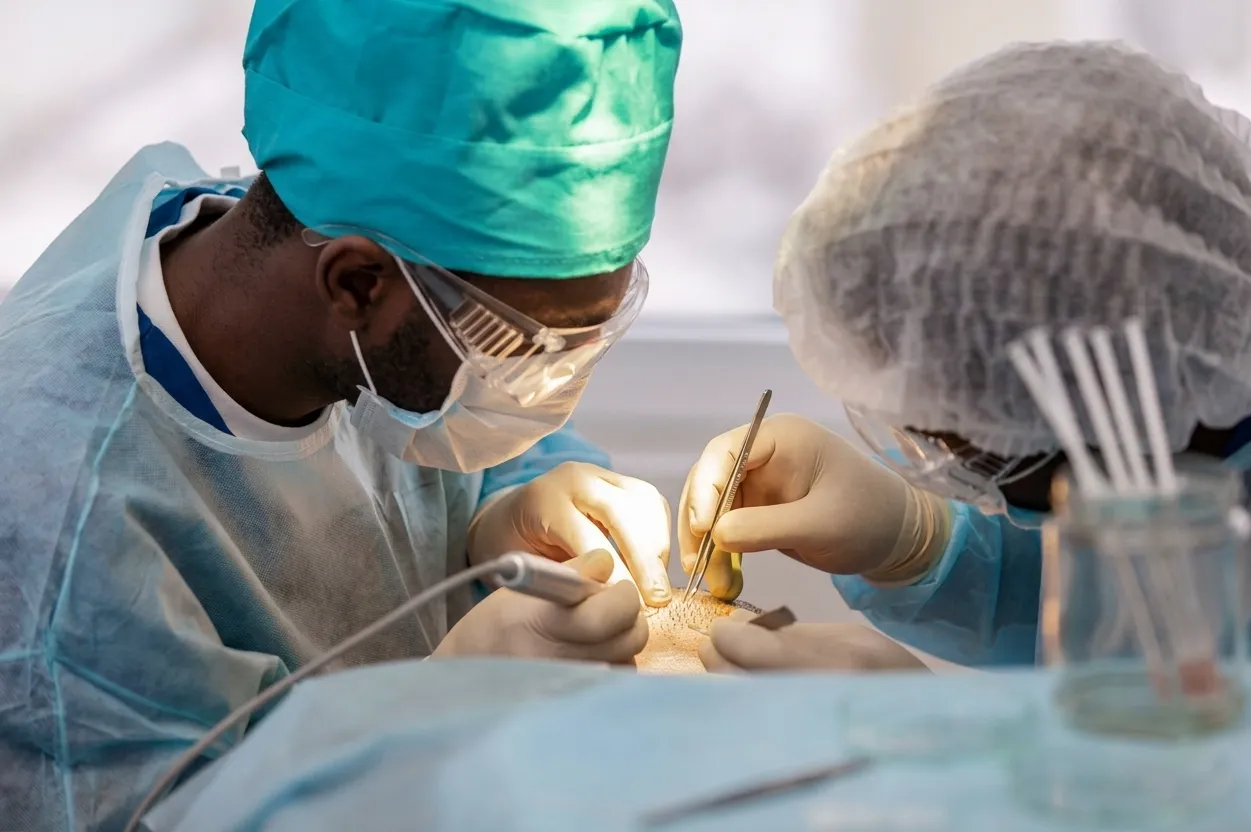
Techniques we use at Goferie?
The two main methods we use in our clinic FUE and DHI
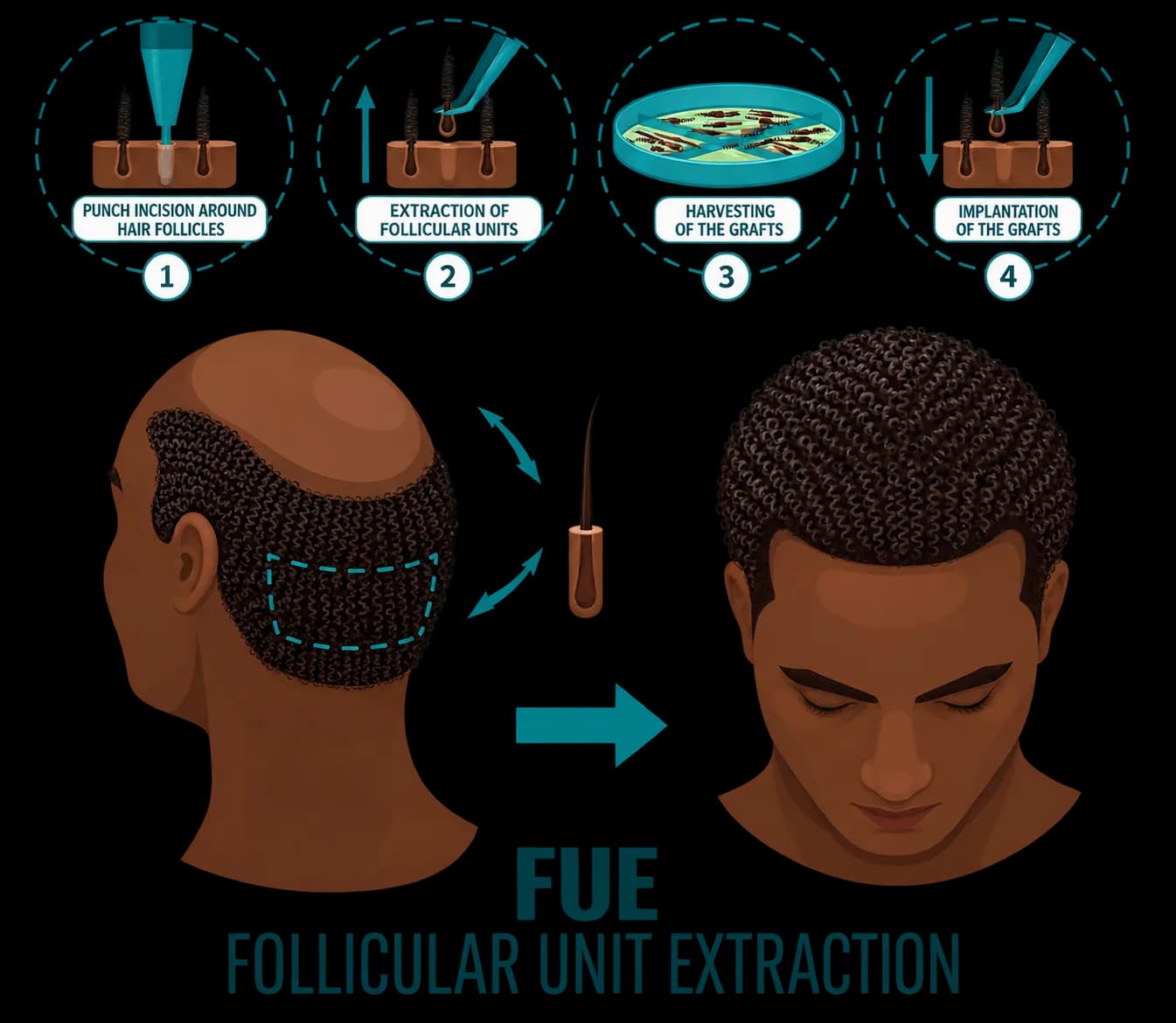
Follicular Unit Extraction (FUE) is a widely used hair transplant technique for treating hair loss. It involves carefully extracting individual hair follicles from the donor area, allowing for precise graft harvesting and natural-looking hair restoration.
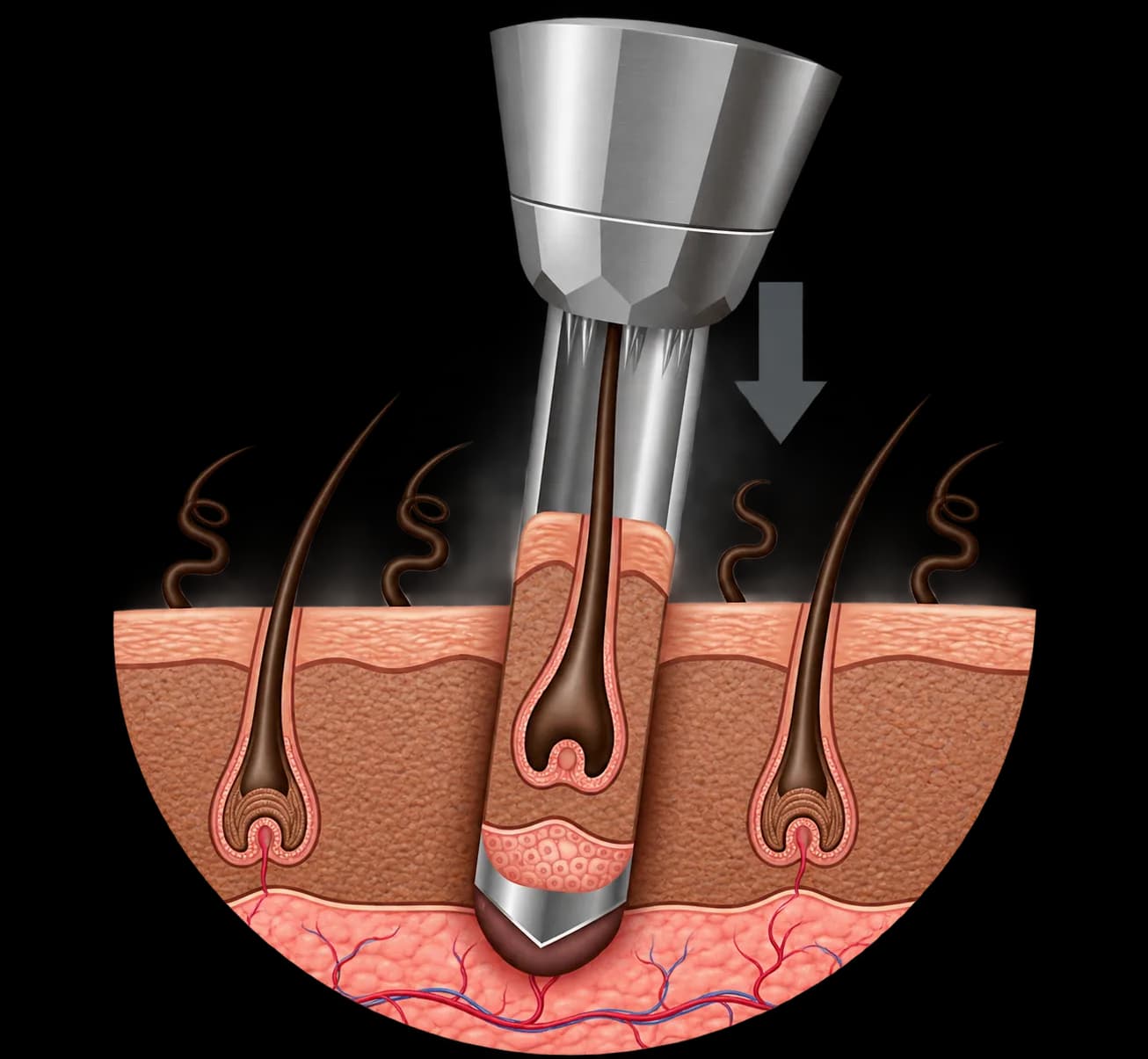
During FUE hair transplantation, individual follicles are removed using a small punch tool. The procedure leaves tiny, minimally visible dot marks, while the donor area typically heals quickly with limited downtime. FUE can be a suitable option for patients who prefer to keep their hair short.
Our standard: hair transplant with the DHI technique
At Goferie, we specialize in DHI hair transplantation (Direct Hair Implantation), a precise hair restoration technique designed to achieve natural-looking results. Using a specialized Choi Implanter Pen, our doctors carefully place each hair graft with control and precision.
Unlike techniques that require pre-made recipient channels, DHI allows grafts to be implanted directly into the treatment area. This approach can support precise graft placement, natural hair direction, and efficient recovery.
At Goferie, DHI hair transplantation is included as part of our standard treatment approach. Our goal is to provide advanced hair restoration with transparent care and personalized treatment for every patient.

Anesthesia
Worried about pain during a hair transplant?
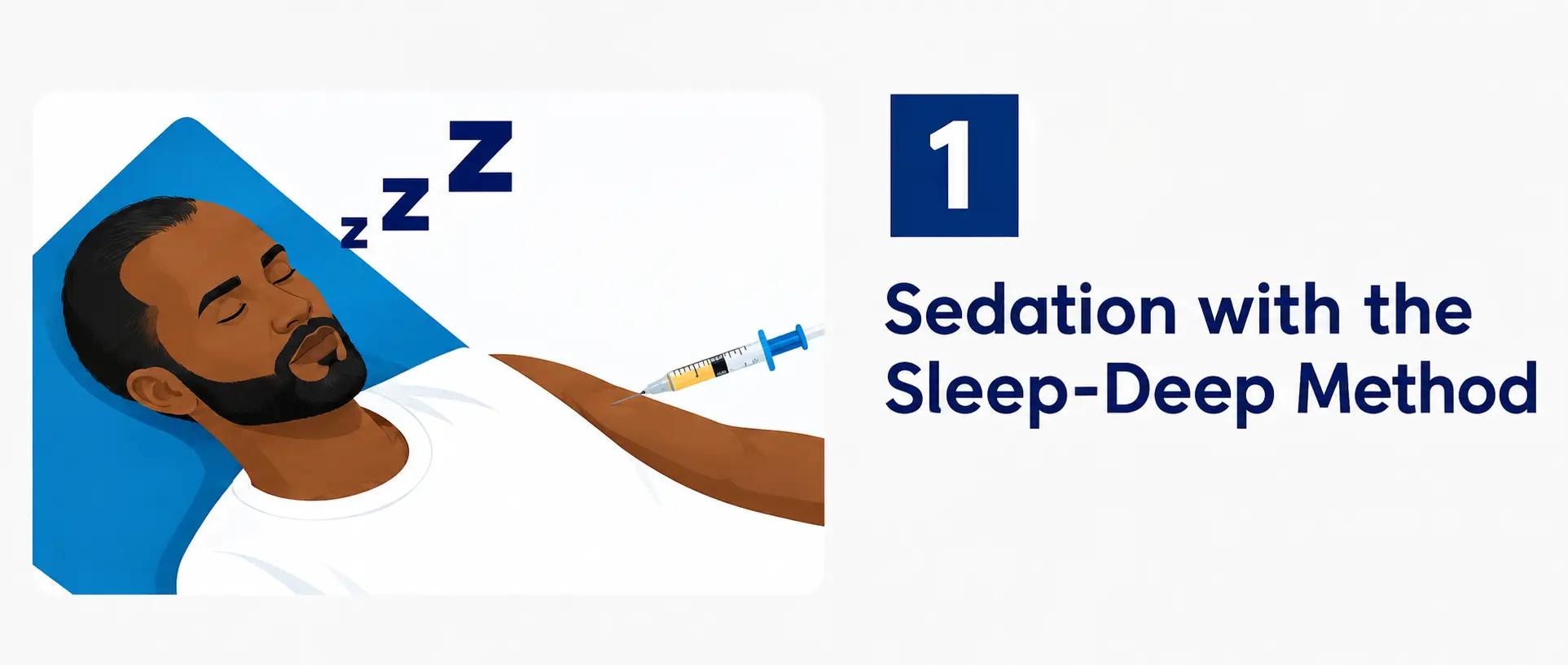
1. Our Sedations
For many people, the idea of a hair transplant brings anxiety — especially over the fear of pain. With Goferie’s exclusive Sleep-Deep method, those concerns are a thing of the past.
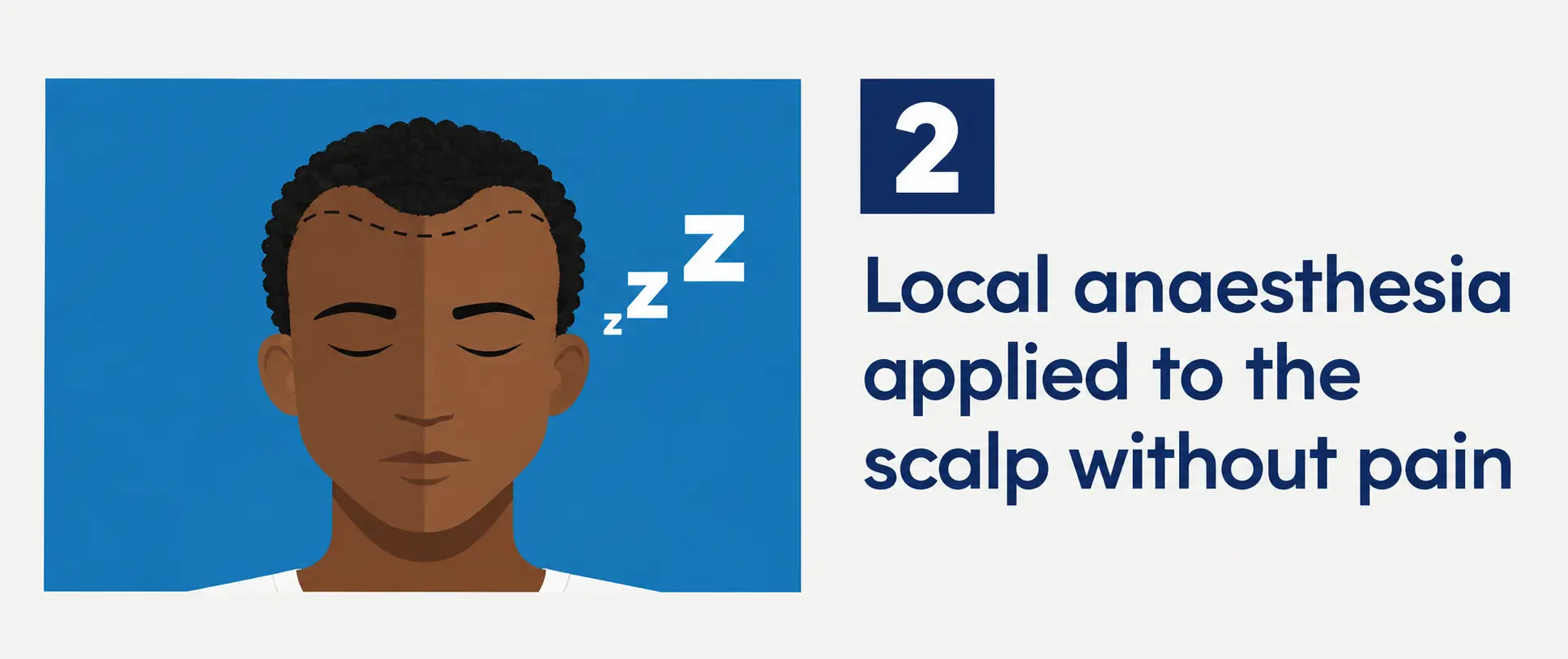
2. Our Anaesthesia
For many people, the idea of a hair transplant brings anxiety — especially over the fear of pain. With Goferie’s exclusive Sleep-Deep method, those concerns are a thing of the past.
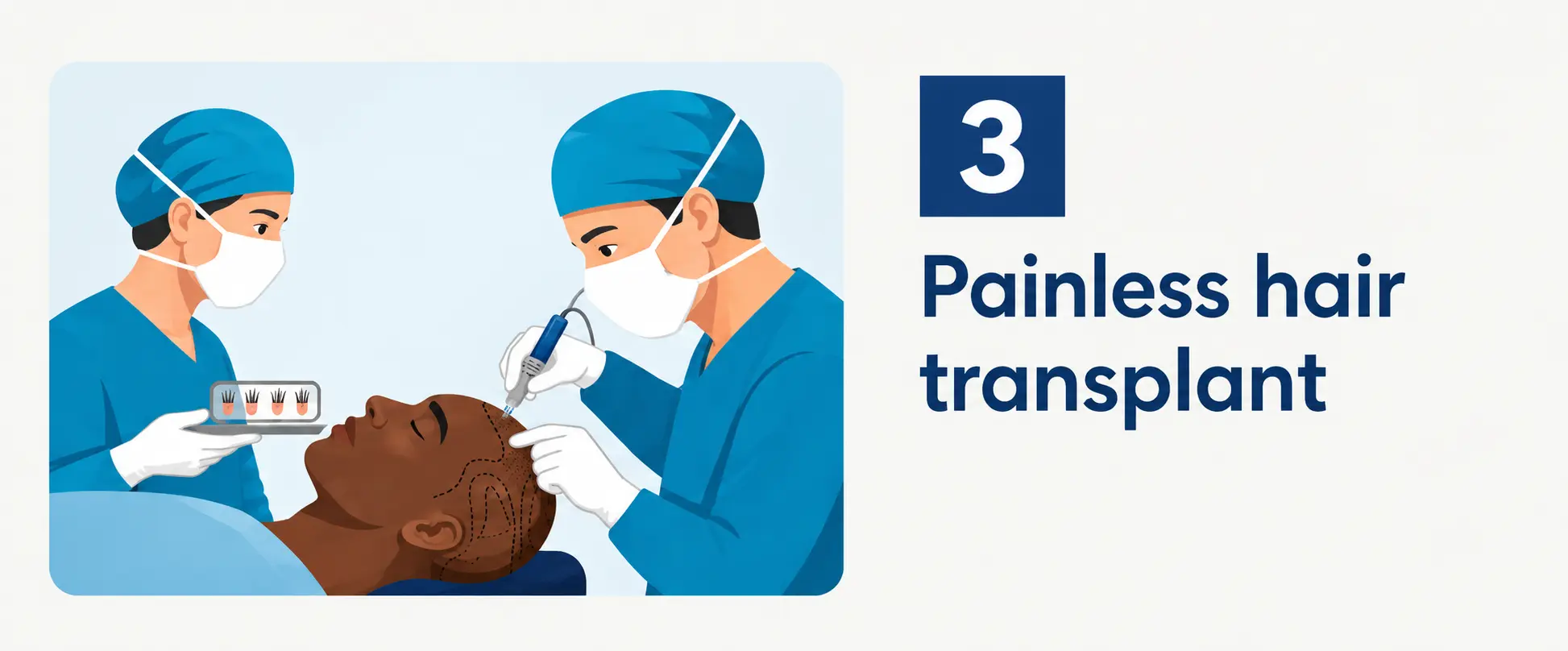
3. Painless
Our patients love this revolutionary technique, which is available only at Goferie. Trust the most advanced methods for a comfortable procedure.
Donor Area
What does my donor area look like after a hair transplant?
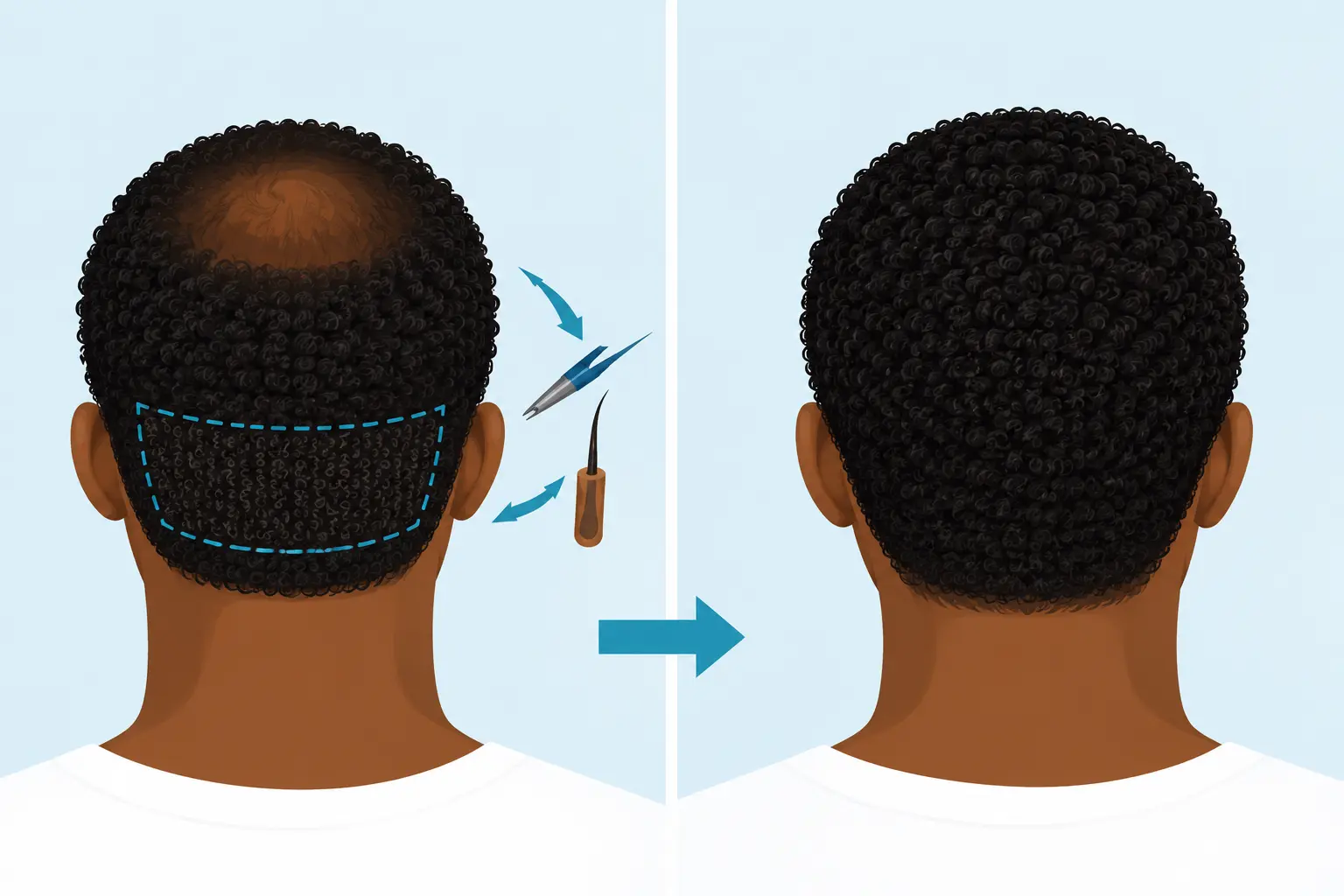
What does my donor area look like after a hair transplant?
After a hair transplant, the donor area needs time to heal. Small extraction sites typically recover within days to weeks, while the surrounding hair continues to grow naturally.
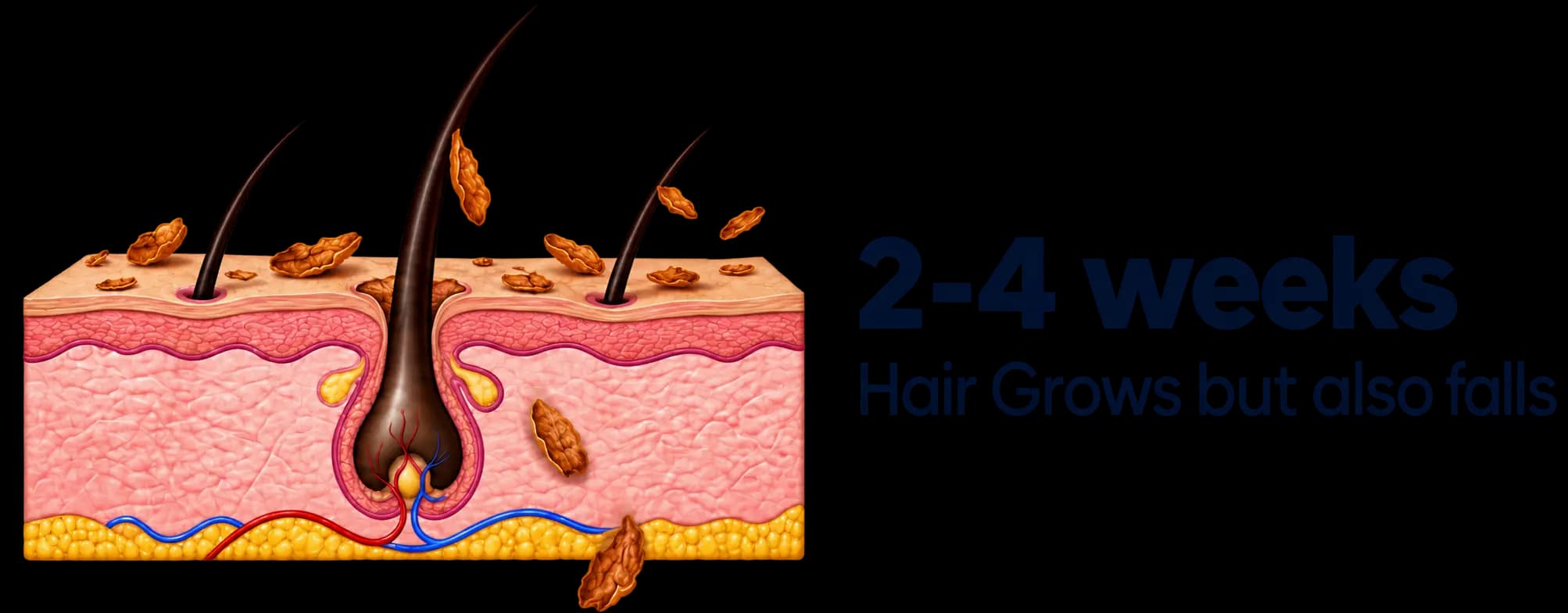
Temporary thinning, known as “shock loss,” can sometimes occur when nearby native hairs shed after the procedure. This is usually temporary, with normal hair growth returning as the scalp recovers.
At Goferie, our careful hair transplant techniques are designed to support healthy healing while maintaining a natural-looking donor area.
Recovery
How long does hair transplant recovery take?
How long does hair transplant recovery take?
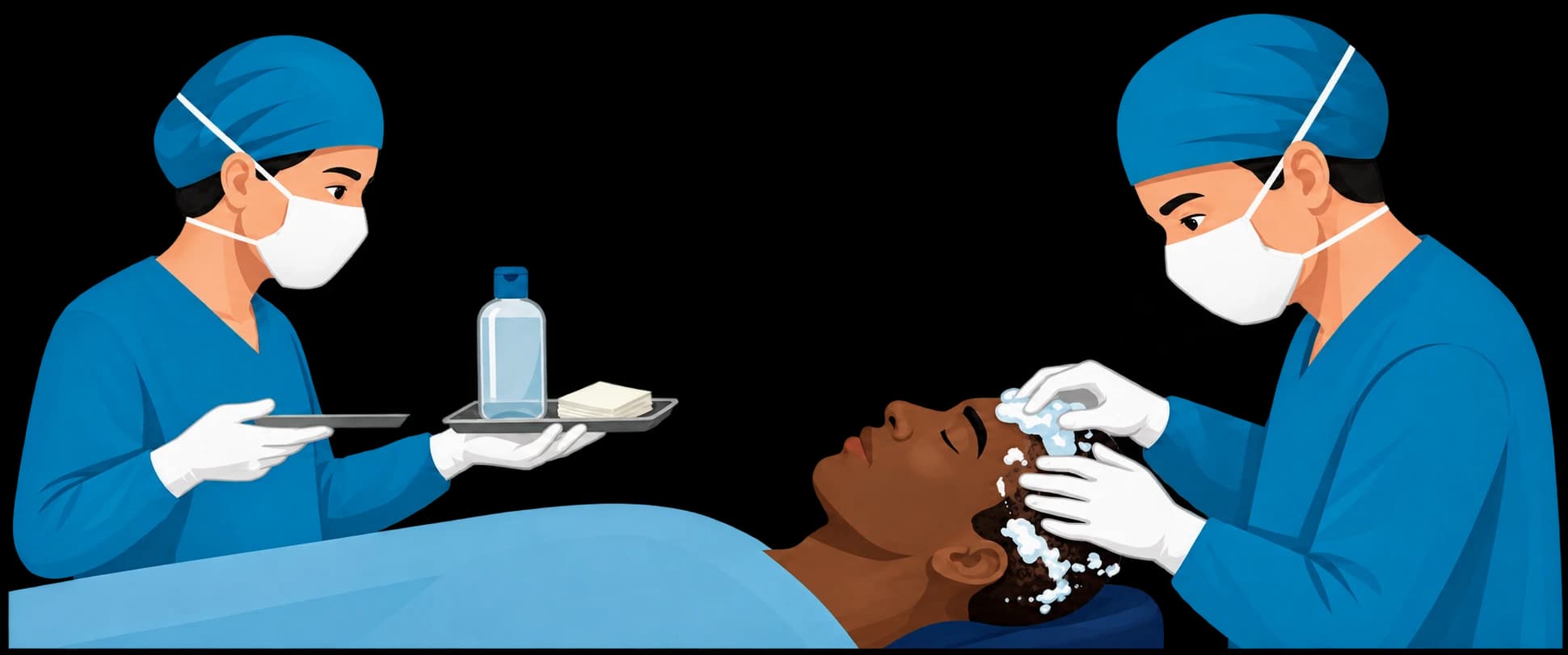
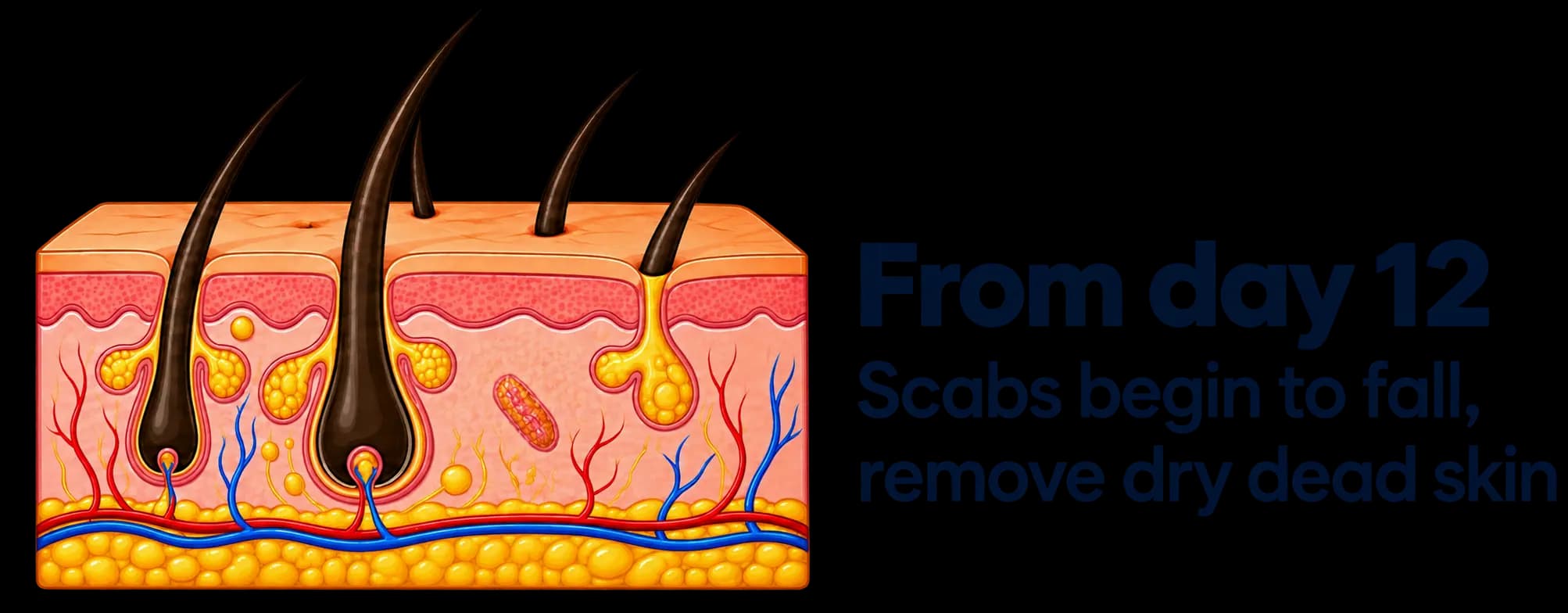
Hair transplant recovery is generally quick, with the treated areas beginning to heal within a few days. With proper care, you can gradually return to your normal hair-washing routine.
Mild redness and light scabbing are common after treatment and typically fade as the scalp heals.
With personalized aftercare from our experts, recovery can progress smoothly. At Goferie, we support you throughout your hair transplant recovery to help achieve natural-looking, long-lasting hair restoration results.
Care
How to take care of yourself after a hair transplant?
Proper hair transplant aftercare is an essential part of the recovery process and can help protect your newly transplanted hair grafts during the early stages of healing. Following your doctor’s post-procedure instructions carefully can support healthy recovery and help you achieve natural-looking, long-lasting hair transplant results.
During the first few days after your hair transplant, avoid strenuous exercise and other activities that cause excessive sweating or significantly increase blood pressure. Giving your body enough time to rest helps protect the newly implanted grafts and supports the healing process.
Protecting your scalp from direct sunlight is also an important part of hair transplant recovery. Excessive sun exposure can irritate the treated skin and may interfere with the normal healing process. Follow your medical team’s recommendations for protecting your scalp during recovery.
At Goferie, our medical team provides personalized hair transplant aftercare guidance to help you through every stage of recovery. Through Goferie, you can also receive helpful push notifications and reminders, making it easier to follow your post-treatment care plan and stay on track throughout your hair restoration journey.