September 2026
Shampoo for Hair Loss: Which Ingredients Actually Do Something
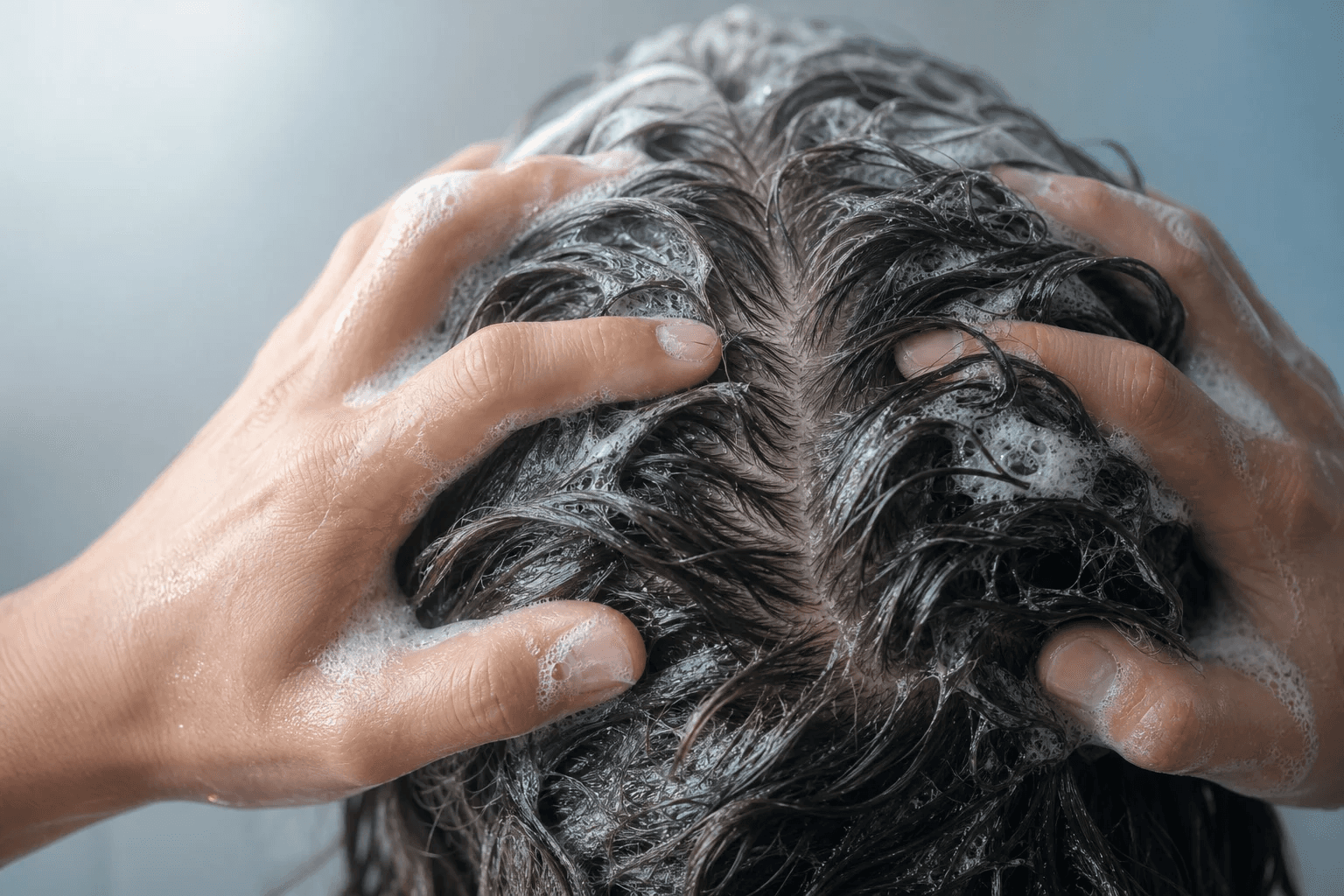
Learn which shampoo ingredients may help with dandruff, scalp health, and hair breakage, which ones have limited evidence for hair growth, and when shampoo is not enough for hair loss.
- Hair
- Shampoo
- Hair-loss
- Scalp-care
- Hair-health
Hair loss can make something as simple as choosing a shampoo surprisingly difficult. Walk into any store and you will find products promising thicker, fuller, stronger, or healthier-looking hair.
But an important question is often overlooked:
Can shampoo actually stop hair loss?
The answer depends on what is causing the hair loss and what the shampoo is designed to treat.
Most shampoos are rinse-off products. They can cleanse the scalp, reduce excess oil and flakes, improve scalp comfort, and help reduce hair breakage. Some medicated shampoos also contain active ingredients that are useful for conditions such as dandruff and seborrheic dermatitis.
However, shampoo alone generally cannot reverse the underlying causes of hereditary hair loss.
Understanding the ingredients on the bottle—and knowing what type of hair loss you are dealing with—is much more useful than simply choosing a product based on its marketing claims.
What Can a Hair-Loss Shampoo Actually Do?
A shampoo primarily works on the scalp and hair shaft.
It can help:
- Remove excess oil, sweat, dirt, and styling-product buildup.
- Reduce dandruff and scalp flaking.
- Relieve itching associated with certain scalp conditions.
- Help maintain a healthier scalp environment.
- Reduce hair breakage when combined with gentle cleansing and conditioning.
- Support scalp hygiene before and during a professionally recommended hair-loss treatment.
What shampoo generally cannot do is reverse the biological process responsible for many forms of hereditary hair loss.
For example, androgenetic alopecia is associated with genetic sensitivity of hair follicles to androgens such as dihydrotestosterone (DHT). Over time, susceptible follicles can gradually become smaller and produce thinner, shorter hairs.
A rinse-off shampoo has only a short period of contact with the scalp, so it should not be considered a replacement for treatments specifically designed to address the underlying cause of hair loss.
In simple terms: a good shampoo can help create a healthy scalp environment, but it is not necessarily a hair-growth treatment.
Understanding the Ingredients in Hair-Loss Shampoos
Not every ingredient advertised for hair loss has the same level of evidence.
Some ingredients are primarily useful for treating scalp conditions, while others have been investigated for their possible effects on hair follicles.
Ketoconazole
Ketoconazole is an antifungal ingredient commonly used in medicated shampoos for dandruff and seborrheic dermatitis.
It works against certain fungi, including Malassezia, that can contribute to scalp flaking and inflammation.
There has also been research investigating ketoconazole shampoos in people with androgenetic alopecia. However, the evidence for using ketoconazole specifically as a hair-growth treatment remains limited compared with established hair-loss therapies.
Its better-established role is scalp treatment, particularly when dandruff or seborrheic dermatitis is present.
If you are considering a medicated ketoconazole shampoo, follow the product instructions or advice from a healthcare professional.
Caffeine
Caffeine is one of the most common ingredients found in shampoos marketed for thinning hair.
Laboratory research has shown that caffeine can influence hair follicles under experimental conditions. However, laboratory findings do not automatically mean that a caffeine-containing shampoo will produce significant hair regrowth in people.
The main limitation is the formulation itself.
A shampoo is applied, massaged into the scalp, and then rinsed away. This provides considerably less exposure than a leave-on treatment.
Therefore, caffeine shampoo should not be viewed as a proven replacement for established treatments for hereditary hair loss.
Salicylic Acid
Salicylic acid is primarily useful for removing excess scale and buildup from the scalp.
It has keratolytic properties, meaning that it helps loosen and remove dead skin cells.
For someone with significant scalp flaking, this can make the scalp feel cleaner and more comfortable.
However, salicylic acid is not itself a proven treatment for hereditary hair loss.
Overuse can also irritate or dry the scalp, so stronger formulations should be used according to their instructions.
Selenium Sulfide
Selenium sulfide is another medicated ingredient used to control dandruff and seborrheic dermatitis.
It has antifungal properties and can help reduce excessive flaking and scalp irritation associated with these conditions.
Like other anti-dandruff ingredients, its primary role is scalp treatment rather than stimulating new hair growth.
Some people may experience dryness or changes in the feel of their hair when using medicated selenium sulfide products, so following the recommended frequency is important.
Piroctone Olamine
Piroctone olamine is another ingredient used in anti-dandruff formulations.
It is primarily intended to help control microorganisms associated with dandruff and reduce scalp flaking.
A healthier scalp can make hair care easier and more comfortable, but there is not strong evidence that piroctone olamine shampoo can reverse hereditary hair loss.
Biotin
Biotin is frequently added to shampoos marketed toward people experiencing thinning hair.
However, applying biotin directly to the scalp through a rinse-off shampoo should not be confused with correcting a nutritional deficiency.
Biotin deficiency can contribute to hair problems, but true deficiency is relatively uncommon. Taking additional biotin without a demonstrated deficiency does not automatically result in increased hair growth.
For persistent hair loss, identifying the underlying cause is more important than simply choosing a shampoo containing biotin.
Hair-Loss Shampoo Ingredients at a Glance
| Ingredient | Main Purpose | Evidence for Scalp Health | Evidence for Hair Regrowth |
|---|---|---|---|
| Ketoconazole | Antifungal / dandruff control | Strong | Limited |
| Selenium sulfide | Dandruff and seborrheic dermatitis | Strong | Not established |
| Piroctone olamine | Dandruff control | Good | Not established |
| Salicylic acid | Removes scalp scale and buildup | Good | Not established |
| Caffeine | Investigated for follicle effects | Limited | Limited |
| Biotin | Hair-conditioning / nutritional relevance | Limited when used topically | Not established |
| Plant extracts | Varies by ingredient | Variable | Limited |
| "DHT blocker" blends | Marketing category | Variable | Not established in shampoo form |
The important distinction is between an ingredient that improves the scalp and one that has demonstrated an ability to treat the underlying cause of hair loss.
These are not necessarily the same thing.
Dandruff, Hair Breakage, or True Hair Loss?
One of the biggest mistakes people make is assuming that every hair found in the shower represents the same type of hair loss.
There are several different problems that can look similar at first.
Dandruff and Seborrheic Dermatitis
Typical signs include:
- White or yellowish flakes.
- Itching.
- An oily scalp.
- Redness or irritation.
- Flaking that becomes more noticeable between washes.
In these situations, an appropriate medicated shampoo may be very helpful.
Treating the scalp condition can reduce itching and inflammation and make the scalp more comfortable.
Hair Breakage
Hair breakage is different from hair shedding.
You may notice:
- Short broken hairs.
- Split ends.
- Uneven hair lengths.
- Hair that feels dry or brittle.
- Damage after frequent heat styling or chemical treatments.
In this situation, a gentle shampoo, conditioner, reduced heat exposure, and less mechanical tension may help protect the hair shaft.
Hereditary Hair Loss
Androgenetic alopecia often develops gradually.
Common signs include:
- A receding hairline.
- Thinning around the temples.
- A widening part.
- Reduced density around the crown.
- Progressive thinning over several months or years.
A shampoo may help maintain scalp health, but it does not address the genetic sensitivity of the affected follicles.
This is where a professional hair and scalp assessment can be valuable.
How to Choose a Shampoo When Your Hair Is Thinning
Instead of choosing a shampoo solely because its label says "anti-hair-loss," look at what your scalp actually needs.
If your scalp is oily and flaky
An appropriate anti-dandruff shampoo may be more useful than a cosmetic shampoo marketed specifically for hair growth.
Look for recognized anti-dandruff active ingredients and follow the recommended application schedule.
If your scalp is dry or sensitive
Choose a gentle cleansing formula and avoid unnecessarily aggressive washing.
A mild shampoo can help maintain the scalp barrier without adding unnecessary irritation.
If your hair is breaking
Focus on reducing damage.
Consider:
- A gentle shampoo.
- Regular conditioning.
- Less heat styling.
- Avoiding excessively tight hairstyles.
- Reducing unnecessary chemical processing.
- Using a wide-tooth comb when appropriate.
If your scalp looks normal but your hair is progressively thinning
This is where changing shampoos repeatedly may not solve the problem.
Progressive thinning can have several causes, including hereditary hair loss, nutritional deficiencies, hormonal changes, certain medications, autoimmune conditions, and other medical factors.
In these cases, identifying the cause is more important than finding another shampoo.
Does Washing Your Hair Every Day Cause Hair Loss?
For most people, washing the hair does not cause the underlying hair-loss process.
It can sometimes appear as though more hair is falling out during a wash because hairs that were already in the shedding phase become visible at the same time.
However, washing technique and product choice can affect the scalp and hair shaft.
If your scalp becomes dry, irritated, or itchy after washing, consider whether the shampoo is too harsh or whether you are washing more aggressively than necessary.
The ideal washing frequency varies from person to person.
People with an oily scalp may need to wash more frequently, while people with a dry or tightly curled hair type may prefer less frequent washing.
How to Use Medicated Shampoo Correctly
A common mistake is applying a medicated shampoo and immediately rinsing it away.
Some active-ingredient shampoos require several minutes of contact with the scalp before rinsing.
Always follow the instructions provided with the specific product.
A general routine may look like this:
- Wet the scalp and hair thoroughly.
- Apply the recommended amount of shampoo.
- Gently massage it into the scalp rather than aggressively scratching.
- Leave the product on for the recommended contact time.
- Rinse thoroughly.
- Apply conditioner to the lengths and ends if needed.
- Follow the recommended frequency rather than using a medicated product excessively.
The correct contact time and frequency depend on the active ingredient and the product formulation.
What About "DHT-Blocking" Shampoos?
"DHT blocker" is a common marketing phrase used on hair-loss products.
DHT is involved in androgenetic alopecia, but simply washing the scalp with a shampoo labeled as a "DHT blocker" does not mean that the product will significantly reduce DHT activity inside susceptible hair follicles.
Ingredients such as saw palmetto, caffeine, botanical extracts, and other compounds are sometimes marketed under this label.
However, evidence from laboratory studies, oral supplements, or leave-on products should not automatically be interpreted as evidence that a rinse-off shampoo will produce the same result.
If you are experiencing progressive hereditary hair loss, it is better to determine the cause and discuss evidence-based treatment options with a qualified healthcare professional.
When Shampoo Is Not Enough
If your hair continues to thin despite maintaining a healthy scalp, changing shampoos repeatedly may delay proper evaluation.
You should consider professional assessment if you notice:
- Rapid or sudden hair loss.
- Significant thinning over a short period.
- Circular or clearly defined bald patches.
- Persistent scalp redness or pain.
- Pus, crusting, or bleeding.
- Severe itching or burning.
- Shiny areas where normal follicular openings are no longer visible.
- Hair loss accompanied by other unexplained symptoms.
- Persistent thinning despite changing your hair-care routine.
Some causes of hair loss require medical investigation rather than cosmetic treatment.
Depending on the pattern, a healthcare professional may recommend examining the scalp, reviewing medications and medical history, or considering appropriate laboratory investigations.
Shampoo After a Hair Transplant
After a hair transplant, shampoo selection becomes particularly important during the early healing period.
The scalp and newly transplanted grafts require gentle handling.
During the initial recovery period:
- Follow the specific washing instructions provided by your transplant team.
- Avoid aggressive rubbing or scratching.
- Avoid picking at scabs.
- Use only products recommended during the recovery period.
- Do not introduce medicated or active-ingredient shampoos without first checking with your healthcare provider.
The goal immediately after transplantation is to protect the healing scalp and transplanted grafts—not to aggressively treat the scalp with multiple active ingredients.
Frequently Asked Questions
Can shampoo stop hereditary hair loss?
Usually, no.
Shampoo can support scalp health and treat conditions such as dandruff, but hereditary hair loss involves changes occurring within susceptible hair follicles. Treatment should therefore be based on the underlying cause rather than relying on shampoo alone.
Is caffeine shampoo effective for hair growth?
Caffeine has shown interesting effects in laboratory research, but evidence that caffeine-containing rinse-off shampoos produce meaningful hair regrowth in humans remains limited.
It should not be considered a substitute for medically established hair-loss treatments.
Does ketoconazole shampoo grow hair?
Ketoconazole is primarily an antifungal treatment used for conditions such as dandruff and seborrheic dermatitis.
Some research has investigated its potential role in androgenetic alopecia, but the evidence is limited. Its established value is in treating certain scalp conditions.
Does biotin shampoo stop hair loss?
There is no strong evidence that biotin shampoo can stop hereditary hair loss.
If someone has a genuine nutritional deficiency, correcting that deficiency may be important. However, applying biotin through a rinse-off shampoo is not equivalent to correcting a systemic deficiency.
How often should I wash my hair?
There is no single correct schedule for everyone.
Your washing frequency should depend on your scalp type, oil production, hair texture, lifestyle, and whether you have a scalp condition requiring treatment.
Can shampoo cause hair loss?
Normal shampoo does not usually cause permanent hair loss.
However, a product can cause irritation or an allergic reaction in some people. Persistent redness, burning, itching, or scalp inflammation should be evaluated rather than ignored.
What shampoo should I use after a hair transplant?
During the early recovery period, use the shampoo and washing method recommended by your transplant clinic or healthcare provider.
The priority immediately after transplantation is protecting the healing scalp and grafts.
When should I see a doctor about hair loss?
Seek professional evaluation if your hair loss is sudden, rapidly progressing, associated with pain or inflammation, occurs in clearly defined patches, or continues despite changes to your hair-care routine.
The Bottom Line
A shampoo can be an important part of a healthy hair-care routine, but not every shampoo marketed for hair loss is a hair-loss treatment.
The most useful approach is to first understand what is happening to your scalp and hair.
If dandruff or seborrheic dermatitis is the problem, an appropriate medicated shampoo may make a significant difference.
If the problem is hair breakage, gentle cleansing and better hair-care practices can help protect the hair shaft.
But if you are experiencing progressive thinning, a receding hairline, crown thinning, or unexplained shedding, the most important step is to identify the underlying cause.
At Ethio-China Friendship Clinic, our medical team can assess your hair and scalp concerns and help determine whether your symptoms are more consistent with scalp disease, hair breakage, hereditary hair loss, or another underlying condition.
Take the First Step Toward Healthier Hair
Don't keep changing shampoos without understanding why your hair is thinning.
Book a consultation with Ethio-China Friendship Clinic for a professional assessment of your hair and scalp concerns and receive guidance based on your individual condition.